
Whoa. I remember the first time a swap failed and I lost gas to a reverted tx—my stomach dropped. Seriously? I stared at the transaction hash like it might cough up a miracle. Something felt off about how we just accepted those losses as “part of the game.”
Okay, so check this out—transaction simulation is one of those small, nerdy features that quietly saves you from dumb mistakes. It’s not sexy like yield farming screenshots. But it stops you from sending tokens into the void, frontrunners, and messy reverts. My instinct said: if wallets gave me a better preview of what a transaction would actually do—before I hit confirm—I’d use them every time.
Initially I thought wallets were about key custody and UX. Actually, wait—let me rephrase that: I knew wallet security mattered, but I underestimated how much simulated previews would change on-chain behavior. On one hand, we rely on gas estimators and mempool watchers; though actually, those are blunt instruments. Simulation lets you see state changes, slippage effects, token approvals, and contract errors off-chain, so you only broadcast transactions you intend to run.
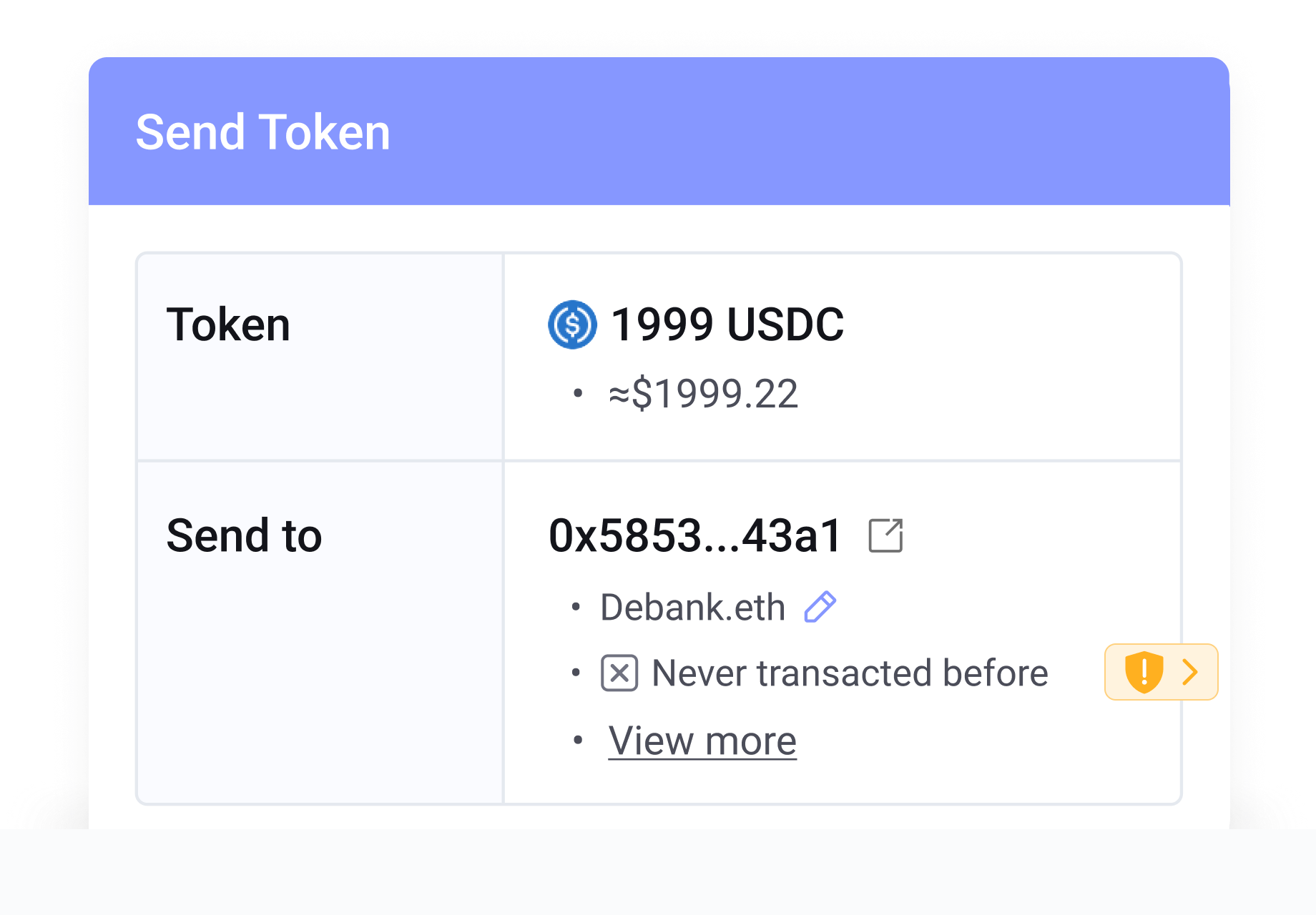
What transaction simulation actually does (and why it matters)
Short version: it runs your intended transaction against a recent copy of chain state and shows the outcome. Wow!
Medium detail: a simulation can show whether a swap will revert because of slippage, whether a contract call will fail from missing approvals, or if a contract’s logic does something unexpected like drain a different token. It estimates final balances and gas usage with more granularity than a naive gas estimate. My brain immediately saw two big wins: fewer wasted fees, and fewer surprise failures.
Longer thought: beyond preventing losses, simulation changes risk modeling for power users who batch complex interactions—if you’re doing multi-step bridged transfers or composing trades across DEXs, simulation becomes a rehearsal stage that reduces cognitive load and lets you automate safer flows, which is huge when you run dozens of txs daily and can’t babysit each one.
Here’s what bugs me about many wallets: they show a gas number and a slippage toggle and then you pray. That’s not good enough. You need a sandbox preview that says, “This call will revert because allowance is insufficient,” or “This route will cost you an extra 0.05 ETH if executed now.”
How I use simulation in my daily DeFi workflow
My typical session is messy—very very human. I’ll glance at prices, toss a small test swap through a simulation, and then run the full amount if the preview looks clean. Hmm… sometimes I’ll run the same simulation twice minutes apart because mempool conditions change fast. It’s a tiny friction but it saves hours later.
On a practical level, simulation helps with two common scenarios: approval mistakes and combined operations. Approvals: some dApps optimistically assume token allowance is present. If it isn’t, you get a revert and pay gas anyway. Simulation tells you: “Allowance missing; this will fail.” Combined operations: depositing, staking, and swapping in one transaction can hide failure modes. Simulating the whole sequence shows which step will break.
In US-speak: it’s like test-driving a car on a quiet street before you haul it onto the freeway. Not glamorous, but you’ll thank yourself when traffic happens.
Why multi-chain wallets need built-in simulation
Multi-chain use complicates state assumptions. A bridge might show a success, but the target chain’s confirmation logic can differ. Simulating across chains—or at least simulating pre- and post-bridge states where possible—reduces surprises.
Also: gas behaves differently on each network. A single gas bump on Ethereum mainnet is a different animal than on a Layer-2 or an EVM-compatible sidechain. Simulation that accounts for network-specific fee dynamics gives a realistic cost picture.
I’m biased, but when a wallet integrates simulation natively, you get fewer support tickets, fewer angry tweets, and a calmer product experience—users don’t panic when a complex transaction returns an error and they already know why.
Practical things to look for in a wallet’s simulation feature
Don’t overthink this—look for functionally useful signals:
– Clear revert reasons or failure signals. If the wallet shows an opaque “failed” tag, that’s not enough. You want to see something like “transferFrom failed: ERC20: transfer amount exceeds balance.” Really.
– Final balance previews. Show me what my wallet will hold after the tx, not just the gas.
– Step-by-step breakdown for batched transactions: which sub-call could fail? Which step drains tokens? Which step needs approvals?
– Slippage and route transparency. If a DEX route shifts price during execution, simulation should surface expected slippage and alternate paths.
– Network-aware gas and mempool context. A gas estimate without mempool pressure context is only marginally useful.
Why I recommend wallets with good simulations (and a small how-to)
Real talk: if you move real money on-chain, you should pick a wallet that doesn’t make you guess. I started using wallets with deeper simulation and it cut failed txs drastically. My instinct said “this is a small win,” but the data—well, my anecdotal ledger—shows it’s a big behavioral change.
How to get started:
1) Install a wallet that supports transaction simulation. For a good multi-chain, transaction-preview-focused experience, consider trying rabby wallet. I’m not shilling—I’m pointing at a practical tool I’ve personally poked around with.
2) When composing a transaction, run the simulation and read the failure reasons. If something is unclear, reduce amounts or split into smaller steps.
3) For complex interactions, run dry runs at low amounts first. If you automate, add simulation checks into your bot flow so it aborts when the preview disagrees with expectations.
FAQ
Q: Can simulation guarantee a transaction won’t fail on-chain?
A: No. Simulation reduces risk but doesn’t eliminate it. Chain state changes between the simulation snapshot and actual broadcast. Front-running, tiny state updates, and miner/relayer behavior can still cause differences. Simulation is probabilistic defense—very helpful, but not a 100% shield.
Q: Does simulation cost gas?
A: No—simulations are read-only off-chain calls (eth_call) against a node or an archive node snapshot. They don’t consume on-chain gas but they do require node infrastructure, and faster/more accurate sims often hit archive nodes or enhanced RPC providers.
Q: Is simulation useful for NFT transfers and approvals?
A: Absolutely. Many NFT transfers include customs like safeTransferFrom and can revert due to operator approvals or contract checks. Simulation reveals those contract-level checks and prevents wasted fees on failed transfers.
Alright—closing thought. I started skeptical and a bit annoyed at another “feature” pitch. But after repeatedly avoiding dumb losses with a simulation-first habit, I’m sold. Something simple like a transaction preview shifts my risk calculus: I now prefer fewer surprises to flashy dashboards. I’m not 100% sure where simulation will go next, maybe on-chain oracles plugging deeper mempool insights… but for now, it’s one of the best incremental upgrades a power-user can adopt.
